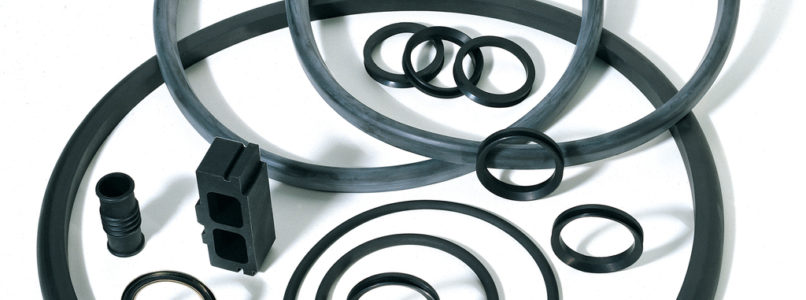
When using ammonia is a semiconductor thin film process, an FFKM class vacuum seal is recommended.
Continue reading →
Advantages and disadvantages of gate type vacuum isolation valves.
Continue reading →
Valve design plays a huge role in the functioning of a vacuum system, and many factors need to be considered. This 3 part blog will discuss each type so you can choose the best one for your application. Leak rate
First of three posts to explain the pros and cons of the common types of vacuum isolation valves: ball, poppet, and gate.
Continue reading →
This is a re-post of a “Tech Talk” Article originally posted by Garrett Hanrahan of ANCORP. What advantage does a conical reducer offer compared to a similarly flanged straight reducer? The answer is simple: Conductance! Over the same length, a
This is a Re-Post of Blog article by Garrett Hanrahan of ANCORP Before you determine whether or not to specify an EP (electropolish) finish on a custom-fabricated vacuum component or chamber, it helps to know what electropolishing can and cannot
Routine replacement of the adsorber in your closed cycle cryo compressor is critical for the health of the compressor and for extending service life.
Continue reading →
ANCORP: [ Posted 2020-06 ]ANCORP chambers and weldments available in 6061 T6 Aluminum, in addition to 304L and 316L stainless steel.ANCORP chambers webpage [ Posted 2019-05 ]The Illum-A-View™ provides a solution to the problem of how to illuminate your vacuum
“Kalrez®” was the first high performance perfluoroelastomer designed for plasma, high temperature, and wet process applications, and was introduced in the 1970s. Many users think of Kalrez® in a similar way we have all come to think of “Kleenex®” –
If you use or specify high vacuum components, then you are probably very familiar with some or all of these terms: ANSI, CF, ISO, KF, LF, NW, QF … they have become part of our vernacular; but what do they mean and how are they used? Here is a