
New Products: Flow and Pressure
New Products: Temperature
Semiconductor Vacuum Sealing Considerations When Using Ammonia (NH3)
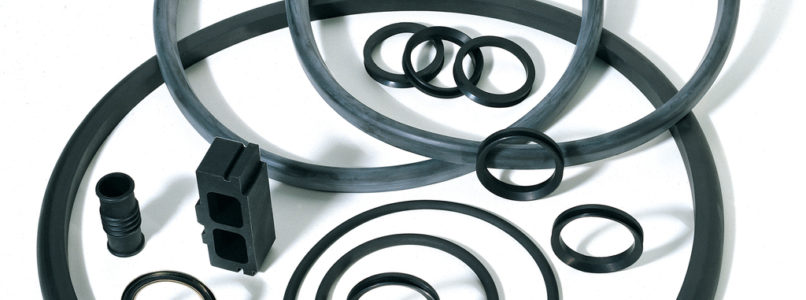
When using ammonia is a semiconductor thin film process, an FFKM class vacuum seal is recommended.
Vacuum Technology: How to Choose the Right High Vacuum Isolation Valve, Part 3 of 3
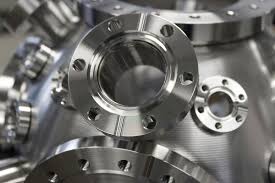
Advantages and disadvantages of gate type vacuum isolation valves.
Thin Film Technology: a Look Back Over 40 Years

Doug Pelleymounter, a Senior Applications Engineer with Advanced Energy (“AE”) who focused mostly on high power PVD applications, has just announced his well-earned retirement after 22 years of service. This is a (mostly verbatim) re-post of Doug’s story, from which
Vacuum Technology: How to Choose the Right High Vacuum Isolation Valve, Part 2 of 3
Valve design plays a huge role in the functioning of a vacuum system, and many factors need to be considered. This 3 part blog will discuss each type so you can choose the best one for your application. Leak rate
Vacuum Technology: How to Choose the Right High Vacuum Isolation Valve, Part 1 of 3
First of three posts to explain the pros and cons of the common types of vacuum isolation valves: ball, poppet, and gate.
Vacuum Technology: Why Use a Conical v. Straight Reducer? Conductance.
This is a re-post of a “Tech Talk” Article originally posted by Garrett Hanrahan of ANCORP. What advantage does a conical reducer offer compared to a similarly flanged straight reducer? The answer is simple: Conductance! Over the same length, a
Vacuum Technology: To EP or Not to EP?
This is a Re-Post of Blog article by Garrett Hanrahan of ANCORP Before you determine whether or not to specify an EP (electropolish) finish on a custom-fabricated vacuum component or chamber, it helps to know what electropolishing can and cannot